Small nucleic acid drugs, especially small interfering RNA (siRNA) and antisense oligonucleotides (ASO), have shown great potential in gene silencing and the treatment of various diseases. By precisely regulating gene expression, these drugs play a crucial role in small nucleic acid therapy. This article will explore the design strategies of small nucleic acid drugs and their applications in small nucleic acid therapy.
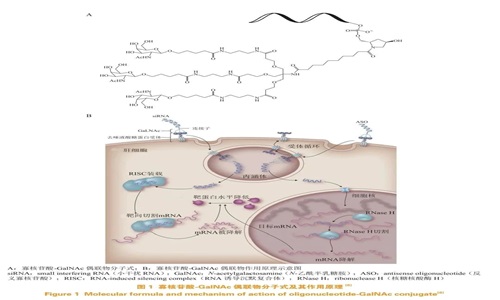
The core function of small nucleic acid drugs in small nucleic acid therapy is to regulate gene expression. siRNA drug is a double-stranded RNA molecule that can be recognized by the RNA-induced silencing complex (RISC) within the cell, guiding it to cut the target mRNA and thereby inhibiting the expression of the target gene. ASO, on the other hand, is a single-stranded DNA or RNA molecule that regulates gene expression by complementary pairing with mRNA, offering good stability and penetration. Both operate through different mechanisms in small nucleic acid therapy, aiding in the treatment of genetic diseases, cancer, and other conditions.
In small nucleic acid therapy, the efficacy of the nucleic acid drugs is closely related to sequence design. Correct sequence selection is fundamental to ensuring the specificity and efficacy of the drug. Precisely choosing sequences complementary to the target mRNA can maximize the therapeutic effect and minimize the risk of non-specific binding. Furthermore, rational sequence design can prevent potential off-target effects, ensuring the efficiency and safety of the drugs in small nucleic acid therapy.
Chemical modifications are key strategies to enhance the efficacy of small nucleic acid drugs in small nucleic acid therapy. Common modification strategies include 2'-O-methylation, phosphorothioate bonds (PS), and cholesterol modifications. These modifications significantly improve the stability of small nucleic acid drugs, extend their half-life, reduce immunogenicity, and consequently enhance their therapeutic effects in vivo. These modification strategies are crucial for the clinical application prospects of small nucleic acid therapy.
Small nucleic acid drugs exhibit broad application prospects in small nucleic acid therapy, particularly in the fields of gene therapy, cancer treatment, and the treatment of genetic diseases. With continuous technological advancements, the development of drugs targeting specific genes is gradually maturing, providing more therapeutic options for patients. By continuously optimizing design strategies and chemical modifications, the therapeutic efficacy and safety of small nucleic acid drugs will be further enhanced.
In summary, small nucleic acid drugs, as the core tools of small nucleic acid therapy, are gradually becoming important weapons in the field of modern medicine due to their precise gene regulation capabilities and the ongoing development of design technologies. As a leader in this field, Youngen is committed to promoting the research and application of small nucleic acid drugs, providing innovative therapeutic solutions to patients worldwide.