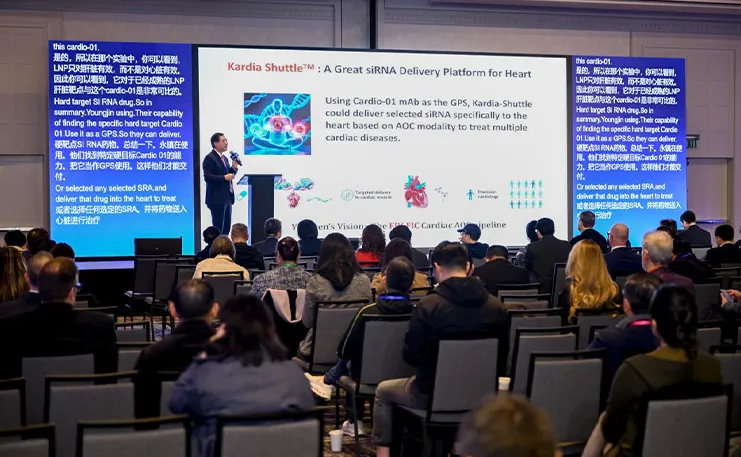
Recently, a patent for a small nucleic acid drug targeting heart failure developed by Beijing Youngen Biotechnology Co., Ltd has been officially granted. It is worth noting that currently, there are no similar therapies entering the clinical trial stage worldwide. This breakthrough achievement not only opens up a new technical path for the treatment of heart failure but also lays an important foundation for the subsequent research, development, and transformation of innovative therapies.
Heart failure has become a global health challenge, with 64.3 million patients worldwide and 13 million domestic patients in 2023. Despite the continuous enrichment of research and treatment methods, the 5-year mortality rate of patients remains as high as 50%, and the disability and mortality rates remain stubbornly high, making the development of new therapies extremely urgent.
Heart failure is closely related to abnormalities in phospholamban (PLN). A decrease in cardiac contractility is a typical feature of heart failure, and the key mechanism lies in the reduced activity of SERCA2a, which is responsible for calcium uptake in the sarcoplasmic reticulum, leading to abnormal calcium absorption. This process is accompanied by an increase in unphosphorylated PLN. As the main regulator of SERCA2a, the unphosphorylated form of PLN inhibits its activity, while phosphorylation can alleviate this inhibition. At the same time, PLN is also a key mediator of β-adrenergic stimulation effects, and its phosphorylation state directly affects cardiac contractility, thus becoming an important target for heart failure treatment. As a reversibly phosphorylated sarcoplasmic reticulum protein that can modify overall cardiac function, abnormal expression of PLN exacerbates heart failure: in heart failure or cardiomyopathy, elevated PLN levels worsen cardiac dysfunction; however, humans cannot be completely deficient in PLN, otherwise, it will cause severe dilated cardiomyopathy, and its safe reduction range needs to be controlled within 50%. This puts extremely high demands on the precision and safety of treatment.
The authorization of Youngen 's patent for the small nucleic acid drug targeting PLN for heart failure has successfully broken through the limitation of traditional treatment methods, which can only delay disease progression but cannot reverse pathological changes. By precisely regulating PLN expression, it can effectively restore SERCA2a activity, improve myocardial calcium cycling, directly target the core pathological mechanism of heart failure, and is expected to achieve a leap from symptom control to etiological treatment, bringing new hope for improving patient survival rates.
This patent authorization not only builds a core technical barrier for Youngen but also will promote the rapid development of its nucleic acid drug pipeline, providing new options for clinical treatment.