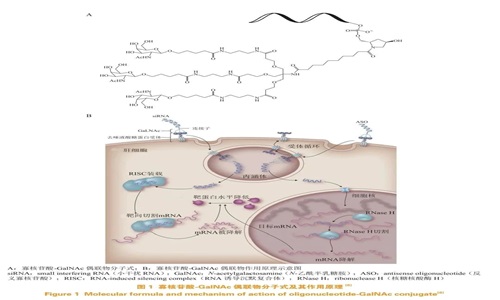
Small interfering RNA can reduce the production of selected disease-related proteins by directing the RNA-induced silencing complex toward a complementary messenger RNA. This mechanism creates opportunities to address genetically defined pathways involved in neurodegeneration and other central nervous system disorders.
However, potent gene silencing in cultured cells does not guarantee an effective CNS disease treatment. An siRNA candidate must remain stable, reach the brain or spinal cord, enter the correct neural cell population, escape from intracellular vesicles, and release an active guide strand into the cytoplasm.
The blood-brain barrier is the first major obstacle, but it is not the only one. Successful CNS delivery requires coordinated control of biodistribution, cellular targeting, intracellular trafficking, pharmacological activity, and safety.
The blood-brain barrier is formed primarily by tightly connected brain endothelial cells supported by pericytes, astrocytes, and other components of the neurovascular unit. It protects neural tissue by limiting the uncontrolled movement of circulating molecules into the brain.
This protective function creates a significant drug-delivery challenge. siRNA molecules are relatively large, negatively charged, vulnerable to nuclease degradation, and unable to cross cell membranes efficiently without an appropriate delivery system.
After intravenous administration, unprotected siRNA may therefore:
Degrade before reaching the target tissue
Be removed rapidly from circulation
Accumulate in clearance organs
Fail to cross brain endothelial cells
Enter non-target cells
Remain trapped in endosomes after uptake
Early preclinical research demonstrated that siRNA linked to a neuron-targeting peptide derived from rabies virus glycoprotein could achieve transvascular delivery and gene silencing in the mouse central nervous system. The study established the feasibility of receptor-directed transport, while also highlighting the need for further optimization before translation into human therapy.
For a systemically administered siRNA, the delivery system must circulate long enough to reach the brain vasculature and then cross the endothelial barrier without creating unacceptable exposure in other organs.
Several strategies are being investigated:
| Delivery Strategy | Intended Function | Key Development Challenge |
|---|---|---|
| Receptor-targeted conjugate | Use an endothelial receptor to cross the barrier | Achieving transport without receptor saturation or off-target uptake |
| Lipid nanoparticle | Protect and carry RNA through circulation | Controlling biodistribution and toxicity |
| Polymer or peptide carrier | Improve stability and cellular entry | Balancing potency, biodegradation, and immune compatibility |
| Engineered extracellular vesicle | Use a biological transport structure | Manufacturing consistency and cargo control |
| Antibody-oligonucleotide conjugate | Combine receptor recognition with RNA activity | Preserving binding, transport, and intracellular release |
Targeted exosomes have produced brain-specific siRNA delivery and gene knockdown after systemic administration in mouse models. More recent research has also explored engineered blood-brain barrier-crossing conjugates for transporting biological macromolecules into the central nervous system. These results remain platform- and model-dependent and require careful safety and translational evaluation.
Detecting siRNA in brain tissue is not sufficient evidence of productive delivery. The material may remain in blood vessels, endothelial cells, extracellular spaces, or intracellular compartments that do not support RNA interference.
Researchers must demonstrate target messenger RNA reduction, protein suppression, downstream pharmacodynamic changes, and an appropriate functional response in the relevant neural cells.
Direct administration into cerebrospinal fluid can bypass the need to cross the blood-brain barrier from the bloodstream. Intrathecal dosing has already provided important clinical experience for antisense oligonucleotides in neurological diseases.
Clinical studies of intrathecally administered oligonucleotides targeting SOD1 in amyotrophic lateral sclerosis and huntingtin messenger RNA in Huntington’s disease have shown that therapeutic nucleic acids can reach the CNS and modify target-related biomarkers. These programs involve antisense oligonucleotides rather than siRNA, but they provide useful evidence about dosing, distribution, tolerability, and biomarker assessment in neurological drug development.
Possible CNS administration routes include:
Intrathecal administration
Intraventricular administration
Direct intracerebral delivery
Local administration near an accessible lesion
Systemic delivery with a blood-brain barrier transport system
Bypassing the barrier does not eliminate every limitation. Distribution from cerebrospinal fluid into deep brain tissue can be uneven, repeated invasive dosing may be required, and different brain or spinal-cord regions may receive different levels of exposure.
The route must therefore match the disease location, target-cell distribution, required treatment duration, and acceptable procedure burden.
The brain contains neurons, astrocytes, oligodendrocytes, microglia, endothelial cells, and other specialized populations. A delivery system that enters neurons efficiently may not achieve equivalent uptake in microglia or oligodendrocytes.
Target selection and delivery design must answer four questions:
Which cell population drives the disease process?
Is the target gene expressed in that population?
Can the selected receptor or carrier enter those cells?
Does active siRNA reach the cytoplasm after uptake?
This distinction is important when developing medication for nervous system disorders. Parkinson’s disease, Alzheimer’s disease, Huntington’s disease, amyotrophic lateral sclerosis, and other neurological conditions affect different neural circuits and molecular pathways. A delivery approach should not be assumed to work across all CNS diseases.
Youngen’s CNS research focuses on applying RNAi technology to disease-driving genes associated with neurodegenerative disorders. Candidate selection must combine human genetics, disease biology, tissue expression, and delivery feasibility before development advances.
Crossing the blood-brain barrier and entering the target cell are only intermediate steps. Most internalized oligonucleotides enter endosomal compartments. If they remain trapped or are transported to lysosomes, they may be degraded without producing meaningful gene silencing.
Productive delivery requires:
Cellular internalization
Protection during intracellular transport
Release from the endosome
Cytoplasmic availability
Guide-strand loading into RISC
Cleavage of the intended messenger RNA
This helps explain why high tissue concentration does not always produce strong pharmacological activity. Fluorescent labeling can show where a delivery system travels, but target knockdown and protein reduction are needed to establish functional delivery.
Endosomal escape technologies must also be evaluated carefully because mechanisms that disrupt intracellular membranes too aggressively may damage cells or activate inflammatory responses.
A successful brain-delivery system cannot compensate for a poorly designed siRNA sequence.
Candidate development should evaluate:
Potency against the intended transcript
Seed-region off-target effects
Activity in disease-relevant human cells
Nuclease stability
Duration of silencing
Innate immune activation
Effects on unrelated transcripts
Recovery after treatment stops
Chemical modifications can improve stability and reduce immune recognition, but their positions must preserve guide-strand activity. The carrier, conjugate, and siRNA chemistry should be optimized as one therapeutic system rather than developed independently.
The degree of silencing also matters. Near-complete suppression may not be necessary and could be unsafe when the target protein has an essential physiological function. Dose selection should aim for a therapeutically meaningful reduction while preserving normal biology.
The phrase central nervous system damage treatment can refer to very different situations, including neurodegenerative disease, genetic disorders, traumatic injury, inflammation, or ischemic damage. These conditions do not share one target, delivery route, or treatment strategy.
A CNS siRNA program should define:
The genetic or molecular disease driver
The target brain or spinal-cord region
The relevant neural cell population
The required extent of gene suppression
The appropriate administration route
Pharmacodynamic biomarkers
Expected duration of effect
Neurological safety assessments
Clinical outcomes that reflect patient benefit
A candidate that reduces a molecular biomarker must still demonstrate that the change leads to a meaningful functional benefit. Neurological development also requires long-term observation because some adverse effects or disease changes may emerge gradually.
The blood-brain barrier limits the movement of many circulating molecules into the central nervous system. siRNA must also remain stable in circulation, reach the brain, enter the intended neural cells and access the cytoplasm before effective gene silencing can occur.
Unmodified siRNA does not efficiently cross the blood-brain barrier. Systemic programs may require engineered carriers, receptor-targeted ligands or other delivery technologies designed to improve transport into the CNS and uptake by selected cells.
Some approaches use local or CNS-directed administration to bypass part of the systemic barrier. However, bypassing the blood-brain barrier does not automatically solve tissue distribution, cellular uptake, intracellular release or tolerability challenges.
Neurons, astrocytes, microglia and other CNS cells differ in receptor expression, uptake behavior and biological function. A delivery system that reaches brain tissue may still fail if it does not enter the cell population responsible for the disease mechanism.
After cellular uptake, siRNA is commonly retained inside endosomal compartments. It must reach the cytoplasm to engage the RNA-induced silencing complex, making endosomal escape an important determinant of functional gene silencing.
A preclinical program should evaluate brain and tissue distribution, target-cell uptake, mRNA or protein reduction, duration of activity, dose response, neurological tolerability, inflammatory responses and possible off-target effects.
The blood-brain barrier is a central challenge in siRNA-based CNS drug development because it restricts access from the circulation to neural tissue. Yet crossing this barrier is only the beginning. Effective therapy also requires cell-selective uptake, endosomal escape, active cytoplasmic delivery, durable target silencing, and careful neurological safety evaluation.
At Youngen, we are advancing siRNA discovery and extrahepatic delivery technologies for difficult-to-treat diseases. Our research combines target validation, sequence screening, chemical modification, conjugation, and tissue-directed transport to explore future CNS disease treatment strategies for neurodegenerative and genetically driven disorders. Youngen’s STTsiran technology is being developed to enhance siRNA activity in extrahepatic tissues, including the brain, while candidate-specific performance must be established through rigorous preclinical and clinical studies.